Prevent Downtime with Proper Hydraulic Hose Maintenance
4/7/2026
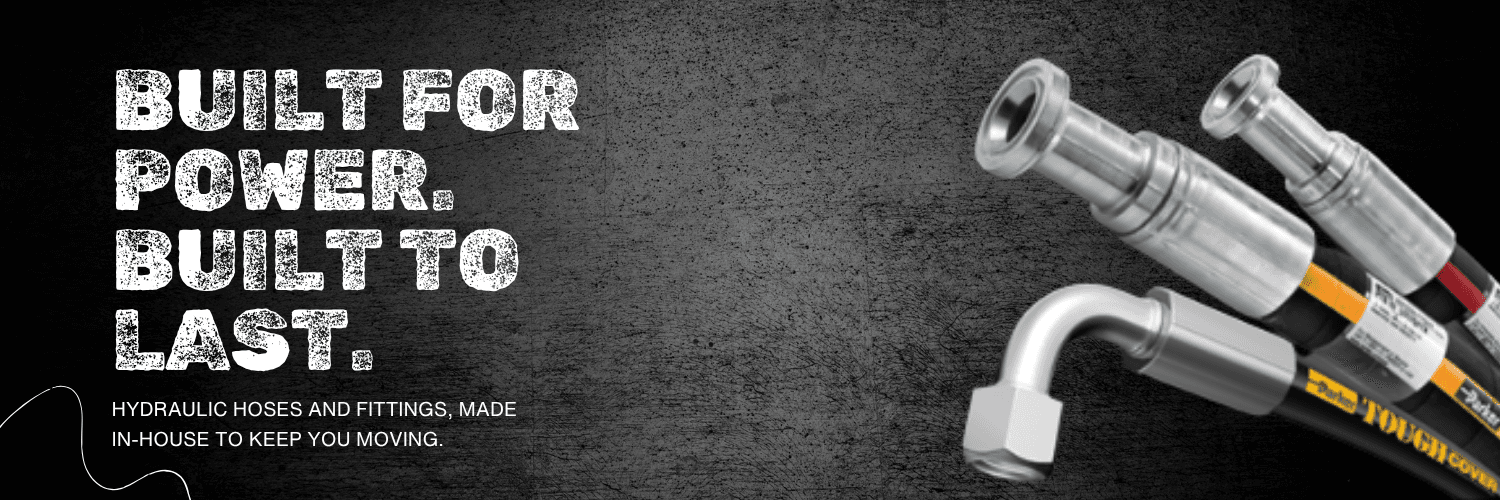
At Unkefer Sales, we don’t just replace hoses—we custom make hydraulic hoses and fittings in-house to match your machine, your application, and your workload, so you can get back up and running faster.
This blog breaks down what causes hose failures, how to spot trouble early, and what to do when you’ve got a leak. Plainspoken, no fluff, and written for folks who’d rather be working than guessing.
Your hydraulic pump builds flow. Your valves direct it. Your cylinders and motors turn it into work.
The hose is the “delivery line” connecting all of that, and it has to handle:
If the hose is wrong, routed wrong, or worn out, it’s not a matter of if you’ll be down. It’s when.
Fittings are the handshake between hose and machine. Their job is to seal under pressure and stay sealed while everything shakes, flexes, and warms up.
A fitting leak usually happens because:
That “little wet spot” can turn into a hose blowout, a failed pump (low oil), or a nasty mess on a customer’s driveway. Nobody needs that.
Rubbing is the silent killer. A hose that’s been kissing a loader arm bracket for six months will eventually wear through.
High temps harden rubber, weaken reinforcement, and cook seals. Hot oil also breaks down faster, which doesn’t help anything downstream.
Hoses don’t like sharp bends. If a hose is forced past its bend radius, the inside liner can collapse and restrict flow. That creates heat and weak spots.
Two hoses can look similar and still be wrong for the job. Pressure rating, temperature rating, and the cover material all matter.
If you’ve ever chased a leak that “should be tight,” you’ve probably dealt with a mismatch. Some fittings seal on the threads, some seal on a flare, and some seal on an O-ring face.
When someone asks, “Why do hydraulic hoses fail?” the honest answer is usually a handful of things stacking up over time.
Even if a machine doesn’t run hard, hoses age. Sunlight and ozone attack rubber. Outdoor storage speeds it up.
Dirt in the system acts like sandpaper. It can score components and damage the hose liner from the inside.
Quick valve movements, dead-heading a cylinder, or banging a bucket can create pressure spikes that beat up hoses and fittings.
Engines vibrate. Frames twist. Loader arms cycle. Hoses need correct length and routing so they flex naturally instead of being yanked or rubbing.
If you want to save money, the trick is catching problems before they turn into a breakdown.
Important: High-pressure hydraulic fluid can penetrate skin. If you suspect injection injury, treat it as an emergency and get medical help right away.
Wipe the area clean and re-check. Leaks love to travel along hoses and drip somewhere else.
If a hose is rubbed through, blistered, or bulging, don’t gamble. That’s a replacement.
We get asked about hydraulic hose repair all the time. The right answer depends on what failed and how critical the machine is that day.
There isn’t one magic price tag. Cost usually depends on:
If you’re comparing quotes, compare the spec, not just the number. A cheaper hose that fails early is the most expensive option you’ll ever buy.
Hydraulic fittings types are where a lot of headaches start. Two fittings can thread together and still never seal correctly.
If you’re unsure, bring the old hose assembly in. Guessing is a great way to buy the same problem twice.
Hydraulic hose sizing is more than “what threads fit.” If the hose is too small, you restrict flow and build heat. Too big and you can create routing problems and unnecessary cost.
A few minutes of hydraulic hose maintenance beats a few hours of downtime. Every time.
For contractors and municipal crews, the real cost isn’t the hose. It’s the stalled job.
Hydraulic hoses and fittings are small parts with a big job: keep pressure where it belongs so your machine can lift, curl, steer, and run attachments all day. When they fail, you don’t just lose oil. You lose time, momentum, and sometimes a whole schedule. We see it every week on tractors, skid steers, compact excavators, and municipal equipment across Northeast and Eastern Ohio.
Hydraulics 101: What Hoses and Fittings Actually Do
Why hydraulic hoses matter to uptime
How hydraulic fittings work (and why small leaks turn into big problems)
Common Hydraulic Hose Problems We See on Tractors, Skid Steers, and Construction Equipment
Abrasion and rubbing
Heat damage and oil breakdown
Kinks, tight bends, and routing issues
Incorrect pressure rating or wrong hose type
Fitting issues: loose, mismatched, or over-tightened
Why Do Hydraulic Hoses Fail? The Real-World Causes
Age and ozone exposure
Contamination and internal wear
Pressure spikes and shock loads
Vibration and machine movement
Signs of a Bad Hydraulic Hose (Don’t Wait for a Blowout)
Visual clues
Performance clues
Safety red flags
How to Fix a Hydraulic Hose Leak: Quick Troubleshooting Steps
Step 1: Make it safe before you touch anything
Step 2: Find the leak source (hose, fitting, or component)
Step 3: Decide: tighten, reseal, repair, or replace
Step 4: Test correctly after the fix
Hydraulic Hose Repair vs Hydraulic Hose Replacement: What Makes Sense?
When a repair is reasonable
When replacement is the only smart move
Hydraulic hose replacement cost: what drives it
Hydraulic Fittings Types (and How to Avoid the Wrong Match)
Common fitting styles you’ll run into
How to tell what you have
Difference between hydraulic fittings types: the sealing surfaces that matter
Hydraulic Hose Sizing Guide (So You Don’t Starve the System)
ID, OD, and length basics
Pressure rating and safety factor
Bend radius and routing clearance
Hydraulic Hose Maintenance That Prevents Downtime
Weekly walk-around checklist
Seasonal or 250-hour checks
Storage tips for spare hoses
Heavy Equipment and Municipal Fleets: Tips for Planning Repairs Before They Become Emergencies
Keep a hose-and-fitting kit per machine
Standardize where you can
Know when to call for help
That’s hydraulic system troubleshooting territory. Catch it early and you usually save the pump, the valves, and your week.
Need Hydraulic Hose Repair Near Me? Here’s How We Help at Unkefer Sales
If you’re close to Minerva, Ohio, and you’re dealing with a down machine, we can help you get moving without the runaround.
In-house custom hydraulic hoses
Parts and service support for Kubota and more
Delivery and on-site options (when available)
Need Hydraulic Hose Help? We’ve Got You Covered
When a hose fails, you don’t have time to wait days for a replacement or guess on fittings that may or may not work.
At Unkefer Sales, we custom-make hydraulic hoses and fittings in-house to match your exact equipment and application. Whether you bring in an old hose or need help identifying the right setup, our team will get you what you need—built correctly and ready to perform.
If you’re dealing with a leak, worn hose, or ongoing hydraulic issues, reach out to our parts team.